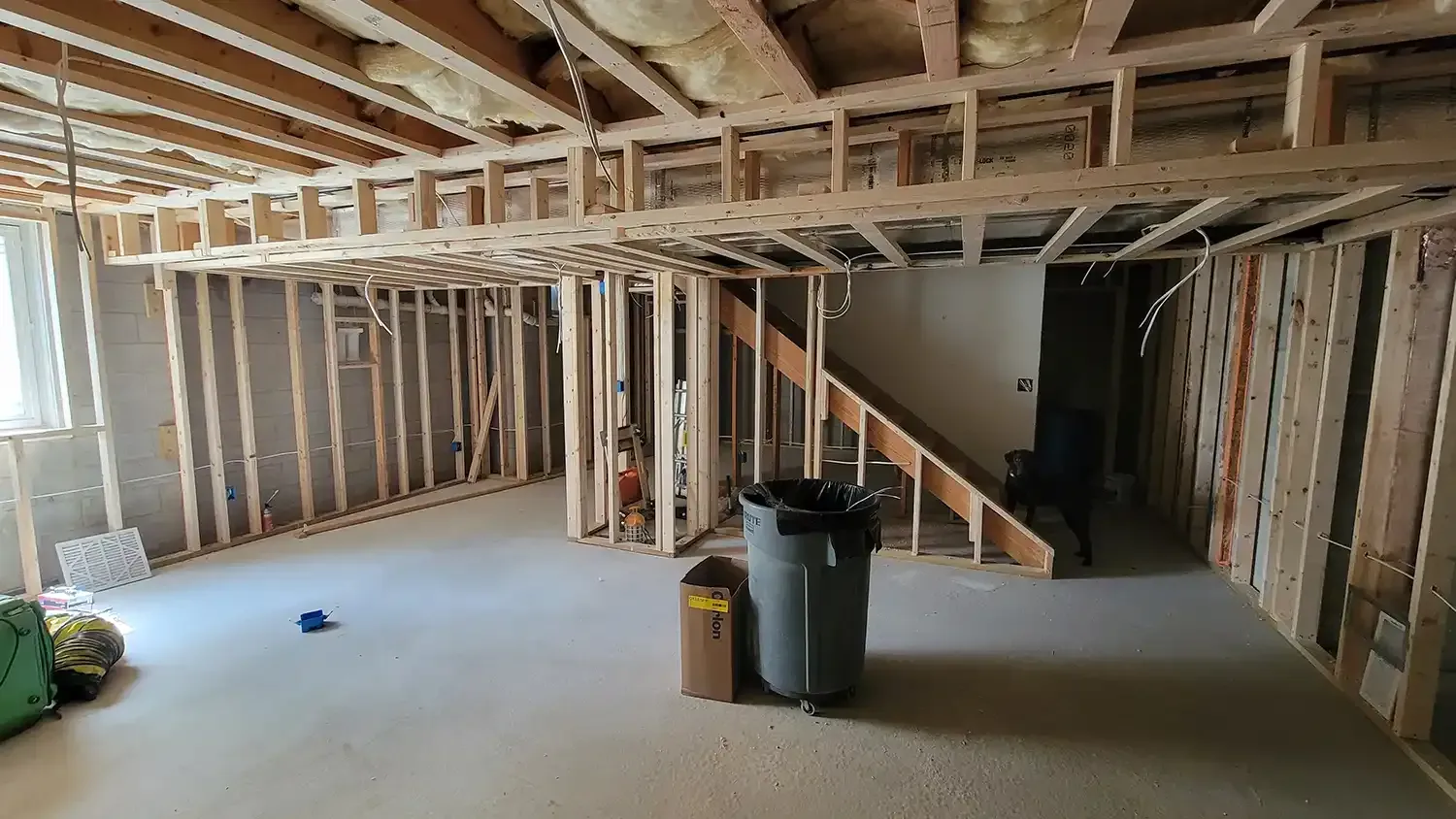
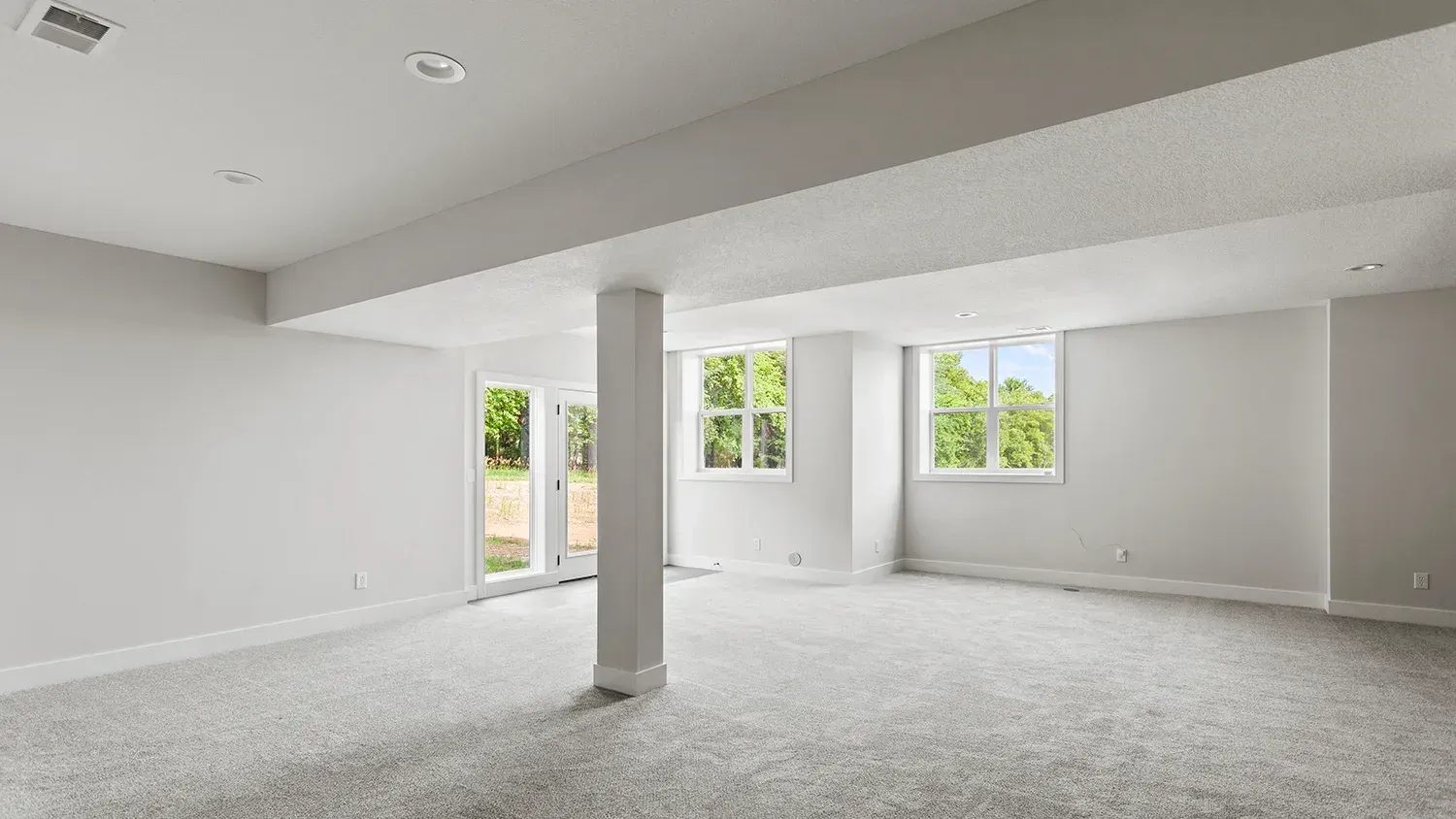
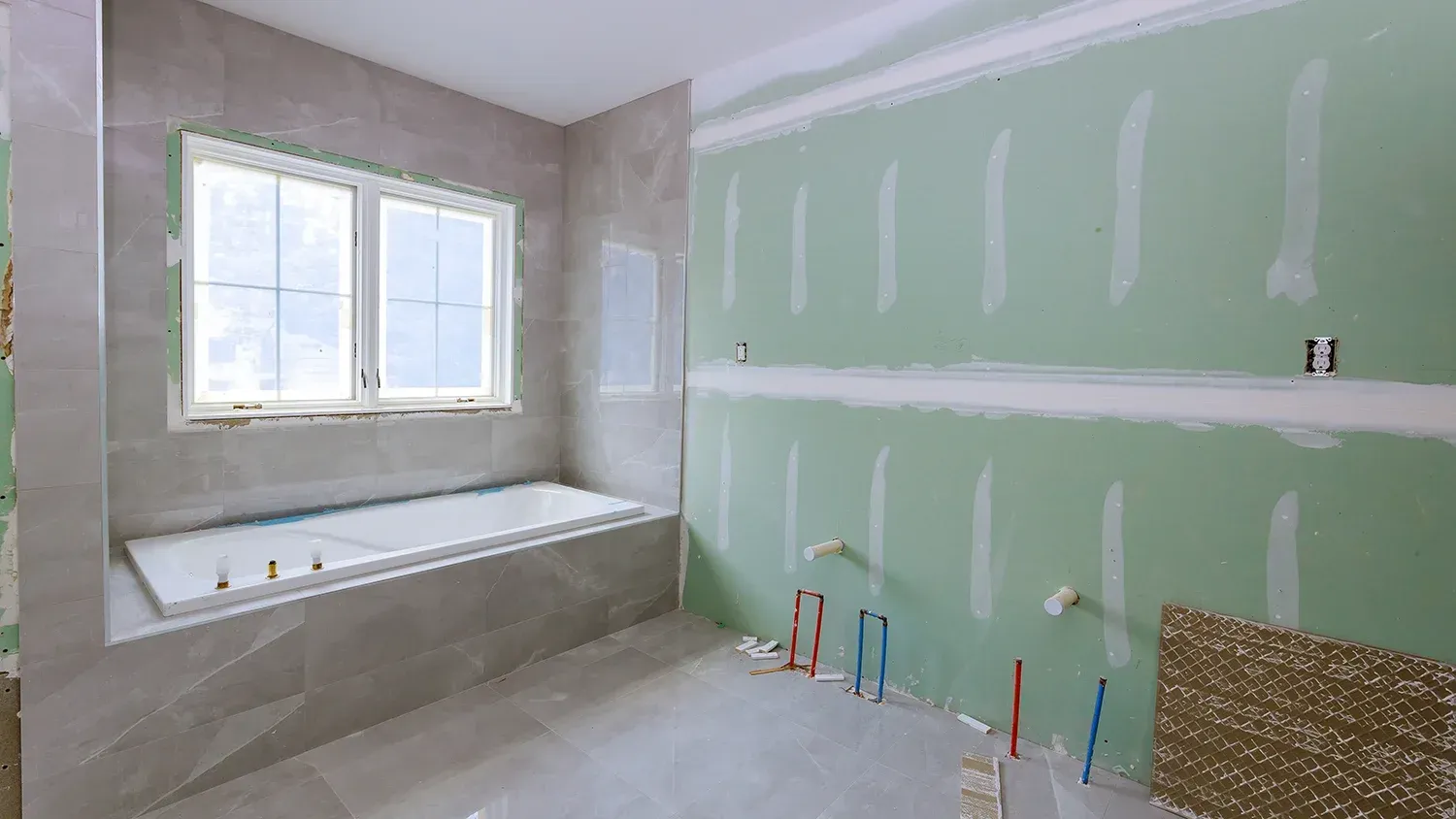
Transforming a cold, concrete basement into a functional, beautiful space—whether it’s a home theater, a guest suite, or a vibrant play area—is a specialized task. This is not a standard renovation project. It involves unique challenges like moisture control, foundation work, and adherence to specific local building codes for habitable below-grade spaces. The success of your project hinges entirely on one critical decision: choosing the right finished basement contractor.
Basement finishing is one of the most rewarding home improvements you can undertake. It’s an investment that instantly expands your living space, drastically boosts your home’s value, and finally lets you utilize that sprawling, often-underutilized floor below grade.
The phrase "right contractor" goes beyond mere competence; it means finding a partner who understands the nuances of basement construction, operates with integrity, and can bring your specific vision to life within your budget and timeline. If you’re ready to take the plunge, here is the essential, step-by-step guide to selecting a top-tier professional for your basement remodeling job.
Why a Specialized Finished Basement Contractor Matters
While many general contractors can tackle a bathroom or kitchen renovation, a basement requires a different skill set. Basements are inherently prone to moisture issues, radon, and low-ceiling limitations. A contractor specializing in
basement finishing will have proven protocols for:
- Waterproofing and Moisture Mitigation: They will know the best materials and techniques for controlling humidity and preventing mold and mildew growth—a non-negotiable step in basement work.
- Egress and Safety: They understand local codes regarding emergency exits (egress windows or walkouts) necessary for creating legal bedrooms or living spaces.
- Foundation Knowledge: They know how to work around structural elements, properly insulate concrete walls, and handle unique HVAC and plumbing configurations required below grade.
When vetting candidates, prioritize those whose primary focus or portfolio heavily features completed basement projects.
Step 1: Define Your Vision and Set a Realistic Budget
Before you speak to a single finished basement contractor, you must finalize your scope of work. A vague vision leads to vague quotes and scope creep. Ask yourself:
- Functionality: What will the space be? (E.g., In-law suite, home gym, office, bar.)
- Layout: Do you need walls, a bathroom, or a kitchen rough-in?
- Finishes: What level of quality are you aiming for? (High-end, mid-range, budget-friendly?)
Once your plan is firm, establish a realistic budget, including a 15-20% contingency fund for unforeseen issues, which are common when opening up old walls or concrete floors. A professional finished basement contractor will help you align your vision with your budget, providing cost-effective alternatives where necessary.
Step 2: Research and Vetting of Finished Basement Contractor
The search phase should be thorough. Start with local recommendations and online directories, focusing on contractors with high ratings and substantial local history.
The Essential Vetting Checklist
Once you have a list of 3-5 potential contractors, move into the vetting process. Don’t settle for a quick Google search; dig deeper:
- Check Online Presence and Reviews: Look at platforms like Google Business Profile,
Houzz, and Yelp. Read both the glowing reviews and the negative ones to understand how the contractor handles problems.
- Verify References: Always request (and call) at least three references from projects completed within the last 12-24 months. Ask specifically about communication, adherence to the timeline, and whether the crew kept the workspace clean.
- Review Their Portfolio: Look at photos of their
completed basements. Do the finishes look professional? Are the designs similar to what you envision? A strong portfolio is proof of a contractor's specialized experience.
- Confirm Subcontractor Usage: Ask if the contractor uses their own employees or hires subcontractors for trades like plumbing and electrical. If they use subs, ensure the main contractor actively manages them.
Step 3: The Interview and Proposal Deep Dive
After narrowing your list down to 2-3 top candidates, invite them to your home for a detailed consultation. This is your opportunity to gauge their expertise and communication style.
Key Questions to Ask Every Finished Basement Contractor:
- How long have you been operating specifically as a contractor?
- What is your protocol for handling moisture or water intrusion found during the renovation?
- Can you provide proof of current licensing and liability insurance?
- What is your typical project timeline, from start to finish?
- What is your payment schedule, and what are your terms for change orders?
Evaluating the Proposal
A high-quality proposal should be detailed, transparent, and easy to understand. Beware of vague "all-inclusive" quotes. Your proposal should clearly separate costs for labor, materials, and any specific trade work. Ensure the contract includes a defined scope of work, a clear payment schedule tied to completion milestones, and a warranty for their craftsmanship.
Step 4: The Legal and Safety Non-Negotiables
Never proceed with a contractor who cannot provide current proof of these items. These are your protection against liability and poor workmanship.
- Licensing: Ensure the contractor is properly licensed with your state or municipality. A license indicates they have met the minimum standards of competence.
- Insurance: Crucially, they must carry both General Liability and Workers' Compensation insurance. If a worker is injured on your property and the contractor lacks Workers' Comp, you could be held liable. Request copies of the certificates of insurance, and call the insurance carrier to confirm the policies are current and active.
- Permitting: A reliable finished basement contractor will handle all necessary building permits. Finishing a basement without permits can lead to severe issues when selling your home and may void your homeowner’s insurance in case of an incident. Confirm in writing that the contractor is responsible for pulling and closing all required permits and arranging final inspections.
Step 5: Trust and Communication
Renovations are stressful, and the contractor-client relationship often lasts for months. The final choice should come down to who you trust most. Did they listen to your concerns? Were they prompt in responding to emails or calls? Do they seem organized and transparent?
Choose the contractor who demonstrates not just technical skill, but also reliable communication and professionalism. A little intuition, backed by thorough due diligence, will ensure your dream basement goes from blueprint to beautiful reality, hassle-free.
Ready to expand your living space? Start your search for a reputable, specialized finished basement contractor today.